
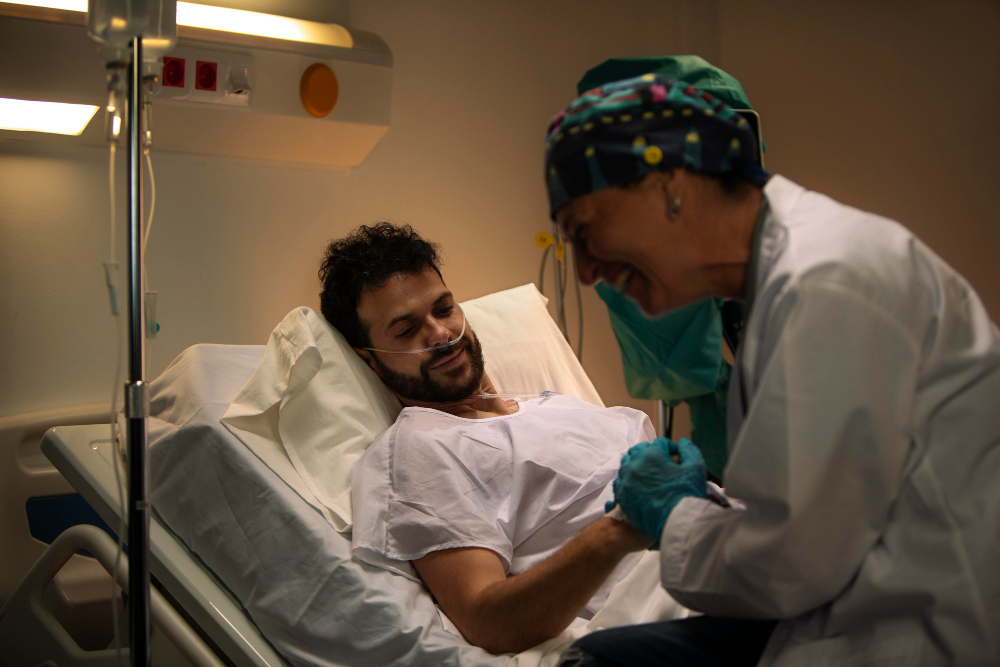
Recovering after major surgery can feel overwhelming. The first four weeks are important for healing and regaining strength. During this time, your body works hard to repair itself. Recovery after major surgery: weeks 1‑4 – what to expect is a common question for many people. Knowing what is normal and what needs attention can help you feel more confident as you heal. This guide will walk you through the recovery timeline, common symptoms, and helpful tips for a safe recovery at home.
What to Expect in the First Four Weeks After Major Surgery
Each person heals at their own pace. However, most people follow a similar recovery timeline. In the first week, you may feel tired and sore. You might need help with daily tasks. By the second week, some energy returns. You may start moving around more. In weeks three and four, you should notice steady improvement. Still, it is normal to have ups and downs. Always follow your surgeon’s instructions for the best results.
Common Symptoms and Normal Healing Signs
Many symptoms are part of normal healing after surgery. For example, you may notice:
These signs usually improve each week. But, if you are unsure, contact your healthcare provider.
Warning Signs and When to Seek Medical Help
Sometimes, problems can occur during recovery. It is important to know when to get help. Call your doctor or seek care if you notice:
These could be signs of infection, blood clots, or other serious problems. Early treatment can prevent complications. The CDC and WHO stress the importance of watching for these symptoms after surgery.
Tips for Safe and Comfortable Recovery at Home
Recovering at home can be easier with a few simple steps. For example, you can:
Additionally, set up your home so you can move around safely. Remove tripping hazards and keep needed items within reach.
Nutrition and Physical Activity Guidelines
Eating well helps your body heal faster. Choose foods rich in protein, vitamins, and minerals. For example, lean meats, eggs, beans, fruits, and vegetables are good choices. Drink plenty of water to stay hydrated. Avoid alcohol and smoking, as they can slow healing.
Physical activity is also important. However, start slowly. Gentle walking can help prevent blood clots and improve strength. Always follow your doctor’s advice about when to return to normal activities. Do not lift heavy objects until your doctor says it is safe.
Emotional Wellbeing and Support
After surgery, it is normal to feel a mix of emotions. You may feel happy, sad, or even anxious. Healing takes time, both for your body and mind. Talking with friends or family can help. If you feel very down or worried, let your doctor know. Support groups or counseling can also be helpful during recovery.
Preventing Complications During Recovery
There are steps you can take to lower your risk of problems. For instance, you can:
According to the CDC, these steps can help prevent infection and other issues after surgery.
In summary, recovery after major surgery takes time and patience. Each week brings new progress. However, always watch for warning signs and follow your doctor’s advice. For the best outcome, consult Aditya Multi Speciality Hospital for personalised recovery advice.